Exploring the psychology behind casino game strategies
The Allure of Risk and Reward
The psychological draw of casino games often hinges on the tension between risk and reward. Players are naturally inclined to take risks in hopes of achieving a significant payoff. This thrill is exacerbated by the instant feedback loop provided by games of chance. Every spin of a slot machine or turn of a card can lead to exhilarating highs or crushing lows, stimulating emotional responses that are hard to resist. For those looking to enhance their experience, exploring options like the best casinos not on gamstop can be advantageous.
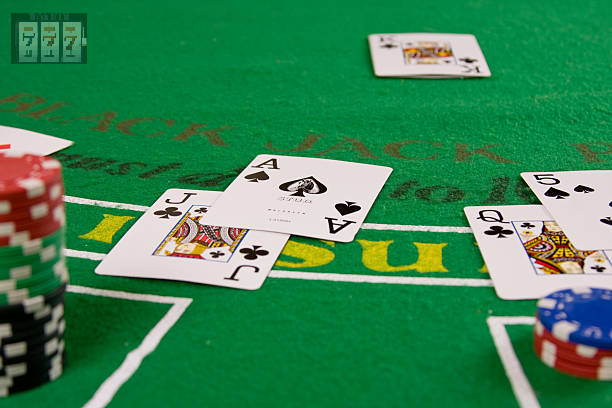
The uncertainty inherent in gambling creates an environment ripe for emotional investment. Players frequently engage in self-talk that reinforces their chances of winning, a phenomenon known as «gamblers’ fallacy» where they believe that past outcomes influence future results. This cognitive bias drives them to develop various strategies, often based on instinct rather than solid mathematical principles, further deepening their psychological involvement in the games.
The Role of Cognitive Biases
Cognitive biases play a critical role in how players strategize and perceive their success in casino games. For instance, the illusion of control is a common bias where gamblers believe they can influence outcomes through their decisions, despite the randomness of the games. This belief can lead to overconfidence, prompting more aggressive betting strategies that may not be grounded in reality.
Additionally, many players exhibit confirmation bias, where they search for evidence that supports their belief in a particular strategy while ignoring data that contradicts it. This selective attention can reinforce ineffective approaches, which may make players feel more justified in their choices, even when those choices do not yield favorable outcomes.
Psychological Strategies for Maintaining Engagement
Casinos are designed to keep players engaged, and psychology plays a pivotal role in this. Game designers often employ elements such as near misses—where a player almost wins—to create a compelling narrative that encourages continued play. This phenomenon can exploit the brain’s reward pathways, making players feel as though they are on the verge of a win, thereby prolonging their gaming sessions.
Moreover, the use of sound effects, win animations, and the overall ambiance of a casino environment serves to heighten emotional experiences, reinforcing the excitement associated with gambling. These psychological tools not only enhance player engagement but also subtly promote the idea that winning is just around the corner, which can perpetuate a cycle of play and betting that is difficult to break.
The Impact of Social Factors on Gambling Strategies
Social influences can significantly affect how individuals approach casino games. When gambling in a group setting, the dynamics of peer pressure and shared excitement can lead to riskier strategies than one would typically employ alone. This communal aspect can generate a sense of belonging, further fueling the psychological desire to continue playing.
In online gambling environments, the social aspects can still persist. Players may engage with others through chat features or multiplayer games, allowing for the transfer of strategies and shared experiences. This social interaction can impact decision-making processes, with players often looking to emulate the betting behaviors of others, which may reinforce flawed strategies and lead to heightened risks.
The Intersection of Security and User Experience
The gambling experience is not solely about the games themselves; it also encompasses the security and reliability of the platform used. Users are increasingly aware of the potential cyber threats that can jeopardize their personal and financial information. A secure online gambling platform enhances user trust and encourages them to engage more openly with the games.
When a platform prioritizes performance and security, players can focus on their strategies without the anxiety of potential breaches. This peace of mind allows for a more enjoyable gambling experience, where psychological factors, such as the thrill of the game and social interaction, can thrive. Understanding the interrelation between user experience and security can lead to a more robust gambling strategy that embraces both enjoyment and safety.